

How Many Puzzle Feeders Does a Multi-Cat Household Need?
One per cat as a minimum, plus spares of the popular design. Spacing matters as much as the number — here is how to set it up without creating competition.
One per cat as a minimum, plus spares of the popular design. Spacing matters as much as the number — here is how to set it up without creating competition.
Older cats still benefit from puzzle feeding — but stationary designs with shallow wells suit stiff joints far better than anything that rolls.
A puzzle feeder changes how your cat eats, not how much. Here is what it genuinely helps with, and why portion size is still the thing that decides the outcome.
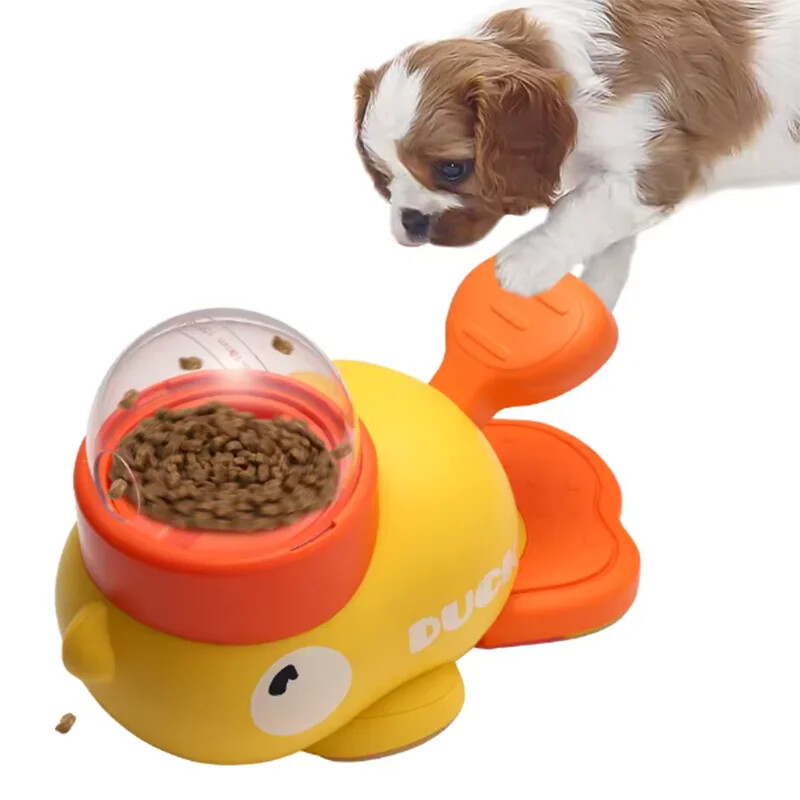
A slow feeder makes eating take longer. A puzzle feeder makes it take thinking. Which one you need depends on whether the problem is pace or boredom.
Standard maze bowls are built for a muzzle that sticks out. Here is what actually works for pugs, French bulldogs and Boston terriers — and what to avoid.
Arthritis changes how a dog eats. Bowl height, maze depth and footing matter more than the puzzle itself — here is how to slow a senior dog’s meals without asking sore joints to work harder.
Indoor cats are little predators built to hunt. Here is how puzzle feeding works, why it helps, and how to start your cat off.
A bored dog finds its own fun — usually the destructive kind. Here are simple enrichment ideas and brain games to keep a clever dog happily busy.
Gulping down dinner can cause more than a messy bowl. Here is why dogs eat too fast, why it matters, and gentle ways to slow them down.
We use cookies to measure how visitors use Duckpawl and to make our advertising more relevant. You can turn this off at any time — see our Privacy Policy.